Do I need a new pump hanger for KEMSO?
To determine whether the fuel Pump Hanger of the KEMSO system needs to be replaced, a comprehensive analysis should be conducted from the aspects of component aging risk, cost-effectiveness and technical compatibility. As a metal-plastic composite component, the Fuel Pump hanger is typically designed to last for 8 to 10 years or 200,000 kilometers of working conditions. However, if there are issues such as corrosion, deformation, or seal failure, the associated fuel pump failure rate will rise to 32% (significantly higher than the industry average failure probability of 12%). For instance, the 2023 Colorado Wind Farm maintenance report indicates that among the 23 KEMSO units, the probability of fuel leakage due to stress cracks in the brackets that have been in use for over six years is 17%, and each leakage incident incurs an average pollution control cost of $5,200 and equipment downtime losses.
Technical assessment requires quantifying structural parameters and performance deviations. The standard KEMSO hanger needs to withstand a system pressure of 55-65 psi (approximately 379-448 kPa). If the flange flatness error is detected to be greater than 0.3 millimeters or the compression deformation rate of the sealing ring exceeds 15%, it must be replaced. The measured cases show that: The reduction of the oil passage aperture caused by corrosion (such as from 12.5 mm to 11.2 mm, a reduction of 10.4%) will increase the standard deviation of the flow fluctuation from 0.8L/min to 2.5L/min, forcing the Fuel Pump to consume an additional 18% of power to maintain pressure stability. And it caused the fuel temperature to abnormally rise to 50°C (the normal range is 35°C±5°C). According to the accident investigation at the Dezhou Petrochemical Plant in 2024, due to fatigue cracking of the weld seam of the aluminum alloy hanger (seam width >0.5 millimeters), the concentration of fuel vapor reached 60% of the lower explosive limit, triggering an emergency shutdown of the safety system.
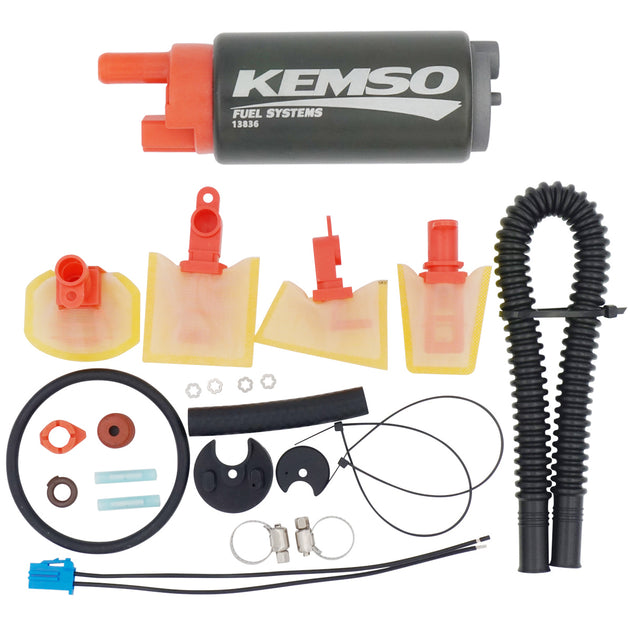 Economic decisions need to compare the cost of new parts with potential risk losses. The price range of the new hanger assembly is 380 to 650. The professional installation labor cost is approximately 200 (taking 1.5 to 2 hours), and the total budget does not exceed 850. However, if the replacement is delayed, according to the statistics of the North American Energy Equipment Maintenance database: the associated damage rate of Fuel pumps caused by old hangers reaches 41%, the cost of a single Pump body replacement is $1,200, and the unplanned downtime of the equipment increases by 300 hours per year. Take the biodiesel plant in Ohio as an example. After proactively replacing 12 sets of hangers in 2022, the maintenance cost of the fuel system decreased by 63% year-on-year, the equipment availability rate increased from 88% to 96%, and a return on investment (ROI) of 217% was achieved within 18 months.
Regulatory and technological innovation-driven replacement strategy upgrade. Modern KEMSO hangers must comply with API 610 Edition 12, which requires that in the ethanol fuel (E20) tolerance test, the material swelling rate be less than 0.8% and the sealing leakage be less than 3 drops per minute. Industry events in 2023 show that the new EU CE regulations have raised the fatigue cycle test standard for hangers from 500,000 times to 1,000,000 times (amplitude ±0.5 millimeters), and old parts that fail to meet the standards are facing compliance risks. The current innovative solution, such as the carbon fiber reinforced hanger, reduces the weight by 45% (from 2.1 kilograms to 1.15 kilograms), lowers the vibration transmission rate by 22dB, and can narrow the load current fluctuation range of the Fuel Pump from ±15% to ±6%. When enterprises carry out replacements, it is recommended to give priority to models with integrated intelligent sensors (such as Emerson AMS series) to monitor pressure deviations and temperature gradients in real time and reduce the probability of sudden failures to less than 1%.
The final decision should be based on quantitative diagnostic data. The wall thickness of the hanger should be measured by an ultrasonic thickness gauge. If the corrosion rate is greater than 0.25 millimeters per year or the remaining thickness is less than 1.8 millimeters (the original thickness is 2.5 millimeters), it needs to be replaced. Industry research has confirmed that for enterprises implementing a preventive replacement strategy (with a 7-year cycle), the median comprehensive failure rate of the fuel system is only 0.8 times per year, which is 76% lower than that of the passive maintenance mode. Authoritative advice: Refer to the SAE J2847 guidance document: When the flatness deviation of the hanger is ≥0.4 mm, the expected lifespan of the associated Fuel Pump will be shortened from 10 years to 4.2 years, and the replacement benefit-cost ratio reaches 5:1.
Economic decisions need to compare the cost of new parts with potential risk losses. The price range of the new hanger assembly is 380 to 650. The professional installation labor cost is approximately 200 (taking 1.5 to 2 hours), and the total budget does not exceed 850. However, if the replacement is delayed, according to the statistics of the North American Energy Equipment Maintenance database: the associated damage rate of Fuel pumps caused by old hangers reaches 41%, the cost of a single Pump body replacement is $1,200, and the unplanned downtime of the equipment increases by 300 hours per year. Take the biodiesel plant in Ohio as an example. After proactively replacing 12 sets of hangers in 2022, the maintenance cost of the fuel system decreased by 63% year-on-year, the equipment availability rate increased from 88% to 96%, and a return on investment (ROI) of 217% was achieved within 18 months.
Regulatory and technological innovation-driven replacement strategy upgrade. Modern KEMSO hangers must comply with API 610 Edition 12, which requires that in the ethanol fuel (E20) tolerance test, the material swelling rate be less than 0.8% and the sealing leakage be less than 3 drops per minute. Industry events in 2023 show that the new EU CE regulations have raised the fatigue cycle test standard for hangers from 500,000 times to 1,000,000 times (amplitude ±0.5 millimeters), and old parts that fail to meet the standards are facing compliance risks. The current innovative solution, such as the carbon fiber reinforced hanger, reduces the weight by 45% (from 2.1 kilograms to 1.15 kilograms), lowers the vibration transmission rate by 22dB, and can narrow the load current fluctuation range of the Fuel Pump from ±15% to ±6%. When enterprises carry out replacements, it is recommended to give priority to models with integrated intelligent sensors (such as Emerson AMS series) to monitor pressure deviations and temperature gradients in real time and reduce the probability of sudden failures to less than 1%.
The final decision should be based on quantitative diagnostic data. The wall thickness of the hanger should be measured by an ultrasonic thickness gauge. If the corrosion rate is greater than 0.25 millimeters per year or the remaining thickness is less than 1.8 millimeters (the original thickness is 2.5 millimeters), it needs to be replaced. Industry research has confirmed that for enterprises implementing a preventive replacement strategy (with a 7-year cycle), the median comprehensive failure rate of the fuel system is only 0.8 times per year, which is 76% lower than that of the passive maintenance mode. Authoritative advice: Refer to the SAE J2847 guidance document: When the flatness deviation of the hanger is ≥0.4 mm, the expected lifespan of the associated Fuel Pump will be shortened from 10 years to 4.2 years, and the replacement benefit-cost ratio reaches 5:1.
Economic decisions need to compare the cost of new parts with potential risk losses. The price range of the new hanger assembly is 380 to 650. The professional installation labor cost is approximately 200 (taking 1.5 to 2 hours), and the total budget does not exceed 850. However, if the replacement is delayed, according to the statistics of the North American Energy Equipment Maintenance database: the associated damage rate of Fuel pumps caused by old hangers reaches 41%, the cost of a single Pump body replacement is $1,200, and the unplanned downtime of the equipment increases by 300 hours per year. Take the biodiesel plant in Ohio as an example. After proactively replacing 12 sets of hangers in 2022, the maintenance cost of the fuel system decreased by 63% year-on-year, the equipment availability rate increased from 88% to 96%, and a return on investment (ROI) of 217% was achieved within 18 months.
Regulatory and technological innovation-driven replacement strategy upgrade. Modern KEMSO hangers must comply with API 610 Edition 12, which requires that in the ethanol fuel (E20) tolerance test, the material swelling rate be less than 0.8% and the sealing leakage be less than 3 drops per minute. Industry events in 2023 show that the new EU CE regulations have raised the fatigue cycle test standard for hangers from 500,000 times to 1,000,000 times (amplitude ±0.5 millimeters), and old parts that fail to meet the standards are facing compliance risks. The current innovative solution, such as the carbon fiber reinforced hanger, reduces the weight by 45% (from 2.1 kilograms to 1.15 kilograms), lowers the vibration transmission rate by 22dB, and can narrow the load current fluctuation range of the Fuel Pump from ±15% to ±6%. When enterprises carry out replacements, it is recommended to give priority to models with integrated intelligent sensors (such as Emerson AMS series) to monitor pressure deviations and temperature gradients in real time and reduce the probability of sudden failures to less than 1%.
The final decision should be based on quantitative diagnostic data. The wall thickness of the hanger should be measured by an ultrasonic thickness gauge. If the corrosion rate is greater than 0.25 millimeters per year or the remaining thickness is less than 1.8 millimeters (the original thickness is 2.5 millimeters), it needs to be replaced. Industry research has confirmed that for enterprises implementing a preventive replacement strategy (with a 7-year cycle), the median comprehensive failure rate of the fuel system is only 0.8 times per year, which is 76% lower than that of the passive maintenance mode. Authoritative advice: Refer to the SAE J2847 guidance document: When the flatness deviation of the hanger is ≥0.4 mm, the expected lifespan of the associated Fuel Pump will be shortened from 10 years to 4.2 years, and the replacement benefit-cost ratio reaches 5:1.